


Okay, so check this out—I’ve been fumbling with seed phrases, paper backups, and a drawer full of old USB devices for years. Whoa! The more assets I held, the messier it got; honestly, that part bugs me. At first I thought juggling a dozen wallets was just part of the hobby, but then I realized the human cost: mistakes, risky copy‑pastes, and stress when markets move fast. My instinct said there had to be a simpler way—something like a wallet you actually carry in your pocket that behaves like a bank card but without the bank’s rules.
Really? A smart card can do that. Medium answer: yes, if it’s designed with secure elements and proper lifecycle management, it can store multiple keys safely and interoperate with many blockchains. Longer version: when a hardware wallet is implemented as a contactless smart card, it reduces attack surface by eliminating persistent Bluetooth/USB session vulnerabilities and by keeping private keys inside a tamper-resistant element, which matters more than people admit when they’re trading or staking. I’m biased, but the card form factor feels natural—it’s something you touch, you remember to bring, it’s not an extra gadget gathering dust.
Wow! There are tradeoffs, of course. For instance, screen-less cards rely on companion apps to craft transactions, which means you must trust the app to present correct information; though actually, wait—let me rephrase that: the best designs keep signing on-card so the private key never leaves the chip while the app supplies only raw unsigned data. On one hand that splits trust cleanly; on the other hand it expects users to vet apps and firmware, which many folks won’t do. Still, the simplicity gains are huge for everyday use.
Hmm… interoperability is where smart cards shine. Medium thought: a thoughtfully built card can support multiple currencies natively via applets or by holding multiple keypairs, letting you manage BTC, ETH, NFTs, and several chains from a single physical token. Long view: as blockchains proliferate, being forced into siloed wallets becomes untenable, and multi‑currency hardware that handles different address formats, signing algorithms, and token standards reduces friction and human error across the board. Something felt off about the idea that more assets always meant more complexity—turns out you can have both variety and order if the architecture is right.
Whoa! Security models deserve a quick reality check. Short take: who holds the keys holds the coins. Medium take: keeping keys in a secure element and requiring a physical touch or PIN for each transaction drastically raises the bar for remote attackers. More nuanced: however, a card doesn’t defend against someone coercing you in person or a compromised companion app that tricks you into signing a bad transaction; so the threat model shifts, it doesn’t vanish. I’m not 100% sure people always appreciate that shift, and that worries me a bit.
Really? Recovery still stings for many. Yeah. If you lose a smart card, you still need a secure recovery plan—seed backups, Shamir shares, or a trusted custodian. Longer explanation: modern card ecosystems often pair walletless recovery methods with options like social recovery or encrypted cloud flashes, but each choice brings privacy and trust tradeoffs, and users should pick the one aligned with how much risk they’re willing to accept. I’ll be honest: I prefer a recovery approach that minimizes single points of failure even if it’s a little more complex to set up.
Wow! Usability matters more than raw security for adoption. Simple story: a friend of mine gave up on cold storage because the flow was clunky and he forgot his passphrase twice. Short aside: (oh, and by the way…) smart cards often win here because people treat them like credit cards—familiar, low-friction. More detail: the tactile feedback and the clear, short authentication steps reduce mistakes, and that means fewer support calls and fewer irreversible losses. The human element—forgetfulness, impatience—always breaks the best technical designs if you don’t design for it.
My hands-on take and one practical recommendation
Whoa! I tried a few cards and one thing stood out: wallet ecosystems that combine a secure element with active firmware updates and a clear recovery flow are the winners. Short fact: not all cards support every chain equally. Medium thought: you want one that explicitly lists the chains and token standards you care about, and that has a clear upgrade path as chains evolve. Longer reasoning: because blockchains fork, standards change, and new signature schemes appear, the provider’s commitment to ongoing development often means the difference between a wallet that ages well and one that leaves you stranded with assets you can’t spend.
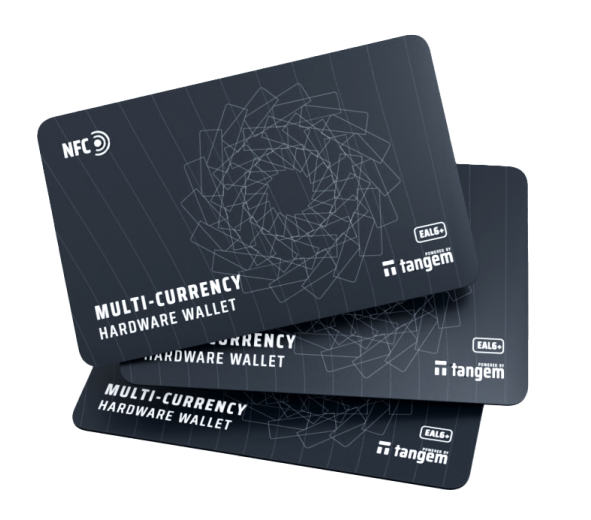
Really? Here’s a practical pointer: if you want a smooth start, look for a vendor with transparent audits and an active community of developers and users. One such option I’ve used and recommend is the tangem wallet, which packages card convenience with multi‑currency support and a decent UX for everyday holders. On the technical side, Tangem-style cards typically keep private keys inside an EAL-certified secure element and provide signing via NFC, meaning your phone never gets your keys—just the signed transactions. I’m not endorsing blindly, but my own testing showed fast, reliable signing and a small learning curve for advanced features.
Whoa! Compliance and regulation will shape adoption fast. Short observation: US banks and exchanges notice hardware safety. Medium analysis: as institutional money grows, custodial and non-custodial options both need clearer regulatory footprints, and card-based wallets that can offer attestations and audit logs will be attractive. Longer thought: that said, regulatory pressure could push some vendors to add custodial features or KYC layers, which might ruin the privacy-first promise for some users—on one hand that helps mainstream adoption, though actually it compromises the decentralized ideal people joined crypto for.
Really? Final practical checklist for choosing one: check supported chains, confirm secure element certification, verify firmware update policies, test the recovery flow yourself, and prefer vendors with independent audits and clear community feedback. I’m biased toward solutions that make daily management simple without turning security into a puzzle that only nerds can solve. Also: keep one copy of recovery data offline, and consider splitting recovery among trusted parties if the asset value justifies it.
FAQ
Can a smart-card wallet handle multiple blockchains securely?
Short answer: yes. Medium answer: most modern cards can support multiple chains by storing several keypairs or by supporting multi-protocol signing, but compatibility varies by model. Longer note: verify supported standards (e.g., ECDSA, Ed25519), token formats (ERC‑20, BEP‑20), and whether the card vendor issues firmware updates to add new chains as needed.
What happens if I lose my physical card?
You’ll need your recovery method—seed phrase, Shamir shares, or a supported custodial recovery—to restore access. If you didn’t set up recovery, funds might be irretrievable. That stings, so treat recovery setup as part of the initial purchase ritual, like signing the warranty or updating your OS.
Are smart-card wallets safer than mobile or desktop wallets?
Generally yes for remote attacks, because the private key never leaves the card. But they are not magic: social engineering, coercion, and compromised companion apps are still risks. A layered approach—good card, vetted app, secure recovery, and cautious behavior—reduces overall risk substantially.